
SoftWave Therapy for Hip Pain and Bursitis: A Non-Surgical Path to Relief
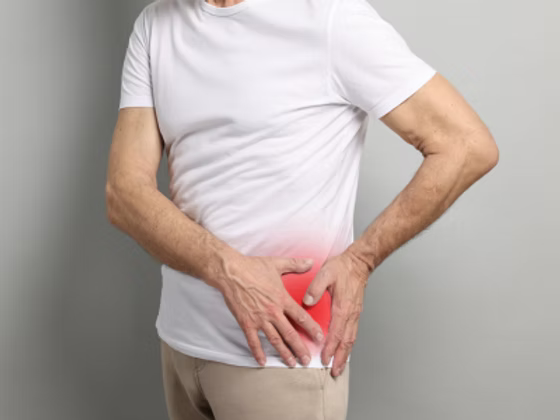
Hip bursitis, gluteal tendinopathy, and chronic hip pain rarely respond to rest alone. Here's how SoftWave TRT stimulates tissue repair around the hip — and how to know if it's a fit for you.
Hip pain is one of the most underestimated complaints we see. Patients often describe it as a deep ache on the outside of the hip that flares with stairs, side-sleeping, or standing up from a chair. It gets brushed off as 'getting older' until it starts limiting walking, sleep, or workouts — and by then the standard menu of rest, NSAIDs, and cortisone is often disappointing.
SoftWave TRT offers a different path: a non-invasive way to stimulate real tissue repair in the structures around the hip joint. This post breaks down which hip problems respond best, what the science says, and what a course of care typically looks like at our Solana Beach clinic. For background on the technology itself, see our guide to SoftWave TRT shockwave therapy.
What's actually causing your hip pain?
True hip-joint arthritis is one cause of hip pain, but it's not the most common one we treat. Most lateral hip pain comes from the soft tissues around the joint — the gluteus medius and minimus tendons, the trochanteric bursa, and the IT band. When these tissues are chronically overloaded or under-circulated, they become painful, weak, and slow to heal on their own.
Common diagnoses behind hip pain include greater trochanteric pain syndrome (the modern name for 'hip bursitis'), gluteal tendinopathy, hip flexor strain, labral irritation, and referred pain from the low back or sciatic nerve. The right treatment depends on which of these is driving your symptoms — and that's where a proper exam matters.
Why hip bursitis is so stubborn
Hip bursitis tends to recur because the bursa is irritated by underlying tendon dysfunction, not the other way around. Cortisone injections can quiet the bursa for weeks or months, but they don't repair the tendon. According to the American Academy of Orthopaedic Surgeons, most cases of greater trochanteric bursitis are now understood to involve some degree of gluteal tendon pathology, which is why symptom-only treatments keep failing.
This is exactly the kind of chronic, tendon-driven pain pattern that SoftWave was designed for.
How SoftWave helps the hip heal
SoftWave uses unfocused acoustic shockwaves that penetrate up to 7 cm — deep enough to reach the gluteal tendons and trochanteric region without needles or anesthesia. Inside the tissue, those waves stimulate new blood vessel formation, release growth factors, and recruit the body's own stem cells to the area.
For hip patients, that biological response translates into less pain on the outside of the hip, easier stair climbing, better sleep on the affected side, and improved tolerance for walking and exercise. Most patients begin to notice change within 3 to 4 sessions, with continued improvement over the months that follow as the tendon remodels. We cover the typical timeline in detail in our post on how many shockwave sessions you'll need.
SoftWave vs cortisone for hip pain
Cortisone is fast but temporary, and repeated injections into the gluteal tendons can weaken them over time. SoftWave is slower to take effect but addresses the underlying tissue, which is why outcomes tend to hold instead of fading. We compare the two approaches in more depth in SoftWave vs cortisone injections.
Who's a good candidate?
SoftWave is a strong fit for patients dealing with:
- Greater trochanteric pain syndrome / classic 'hip bursitis'
- Gluteal tendinopathy with pain on side-lying or stair climbing
- Chronic hip flexor strain that won't quiet down with stretching
- Post-surgical hip stiffness once cleared by your surgeon
- Hip pain combined with low back tightness or sciatica
It's not the right tool for an acute fracture, active infection, or end-stage joint replacement candidates who need surgery. A consultation tells us quickly which group you fall into.
What a hip-pain visit looks like
Your first visit at our Solana Beach office includes a thorough exam — range of motion, tendon loading tests, neurological screening — followed by a SoftWave trial treatment so you can feel the therapy firsthand. From there we'll lay out a specific plan, usually 6 to 8 sessions spaced about a week apart, and re-test at intervals so progress is measurable rather than vibes-based.
If you've been told to 'live with' your hip pain or that surgery is the only remaining option, it's worth a second opinion. Learn more on our hip pain treatment page or request an appointment and we'll help you map out next steps.
Ready to find out if SoftWave can help you?
Get our $49 new patient special — consultation, exam, and a sample SoftWave treatment.