
Shockwave Therapy for Peripheral Neuropathy: Can SoftWave Restore Feeling?
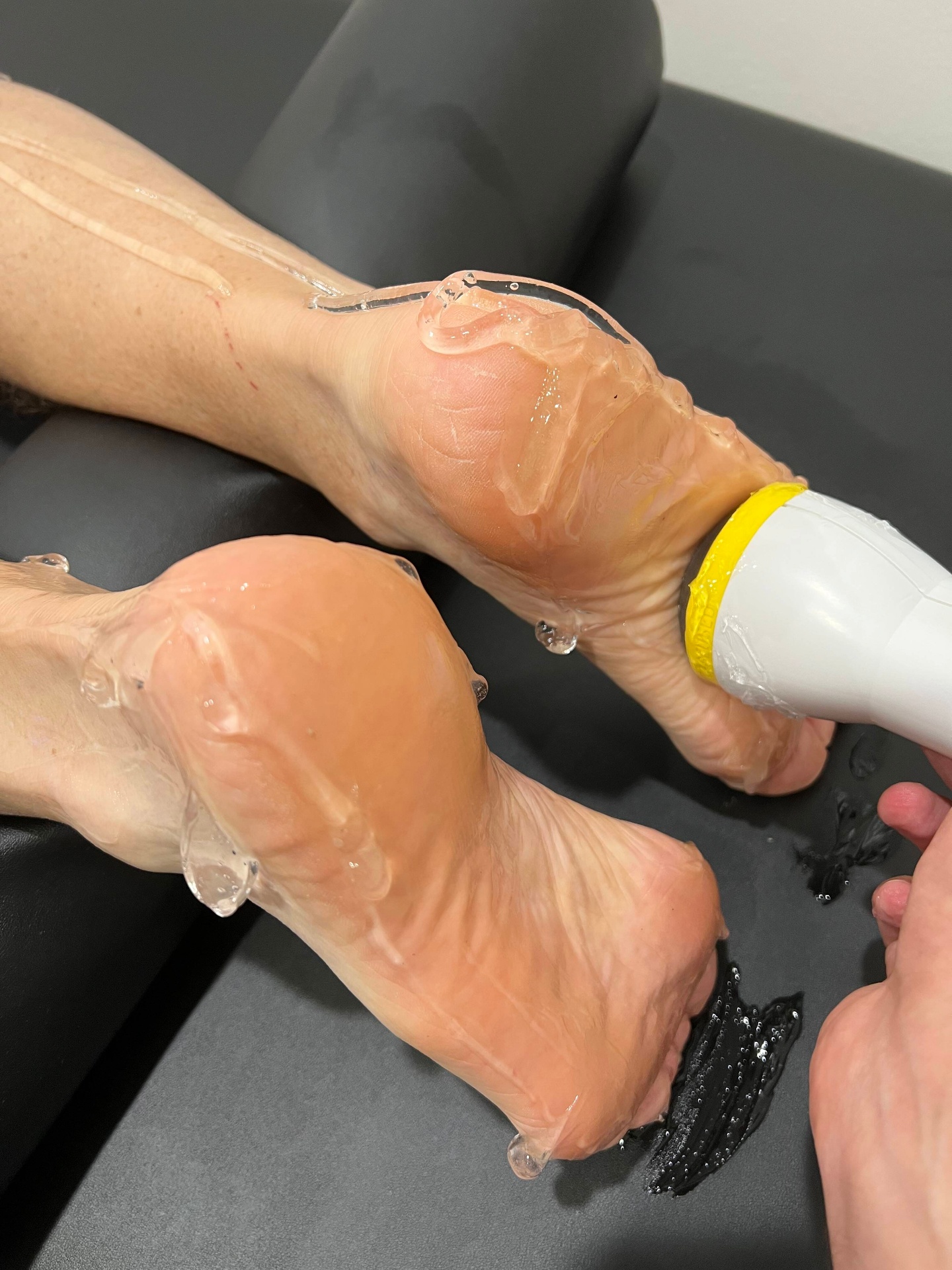
Peripheral neuropathy can feel like a one-way street — but SoftWave shockwave therapy is changing that conversation. Here's what the science says and how we approach neuropathy at our Solana Beach clinic.
Peripheral neuropathy is one of the most frustrating conditions we treat. Patients describe burning, tingling, numbness, electric shocks, or the constant sensation of walking on bunched-up socks. It disrupts sleep, balance, and confidence on your feet — and the standard offerings of gabapentin, duloxetine, or 'learn to live with it' rarely deliver the relief people are hoping for.
SoftWave TRT is one of the few non-drug, non-invasive options that targets the underlying tissue environment instead of just numbing the nervous system. This post explains how it works for neuropathy, who benefits most, and what realistic results look like.
What peripheral neuropathy actually is
Peripheral neuropathy refers to damage to the peripheral nerves — the ones that carry signals between your brain, spinal cord, and the rest of your body. According to the NIH's overview of peripheral neuropathy, causes include diabetes (the most common in the United States), chemotherapy, autoimmune disease, vitamin deficiencies, alcohol use, and idiopathic cases where no clear cause is found.
Whatever the trigger, the downstream problem is often the same: the small blood vessels that feed the nerves stop delivering enough oxygen and nutrients, the nerves themselves degrade, and the surrounding tissue loses its ability to repair itself. That's where shockwave therapy fits in.
How SoftWave supports nerve and tissue repair
SoftWave delivers unfocused acoustic shockwaves into the feet and lower legs (or hands, when needed) at a depth that reaches the microvascular network feeding the peripheral nerves. The mechanical energy stimulates angiogenesis — the formation of new capillaries — and releases growth factors that signal the body to repair damaged tissue and recruit stem cells to the area.
For neuropathy patients, that translates into better circulation in the feet, improved sensation, reduced burning and tingling, and better balance. Patients often notice they can feel the floor again, that socks no longer feel bunched up, or that they're not waking up at 3 a.m. from electric shocks in their toes.
What the research shows
Published studies on extracorporeal shockwave therapy for diabetic peripheral neuropathy have reported improvements in nerve conduction, sensation, pain scores, and quality of life when shockwave is added to standard care. It's not a cure — no current treatment is — but it's one of the few interventions actually targeting the tissue environment rather than just dampening symptoms. We discuss the broader safety profile in our post on SoftWave side effects and safety.
Who tends to do best
SoftWave tends to produce the most meaningful improvements for patients who:
- Still have some preserved sensation, even if reduced
- Have neuropathy from diabetes, chemotherapy, or idiopathic causes
- Are managing their underlying condition (e.g., blood sugar) reasonably well
- Can commit to a full course of care rather than one or two sessions
- Are willing to combine therapy with simple home strategies — circulation work, footwear changes, balance training
Patients with completely 'dead' nerves and total loss of sensation for many years are typically harder cases. We're honest about that in your initial consultation — we want you to make an informed decision, not a hopeful guess.
What a neuropathy plan looks like
Most neuropathy patients do best with a longer course of care than other conditions — often 10 to 12 sessions, spaced about a week apart, with periodic maintenance afterward. Sessions take roughly 15 minutes per area and require no needles, anesthesia, or downtime. You walk in, get treated, and walk back out.
We track measurable changes throughout — monofilament testing, sensation mapping, balance, pain scores — so progress is documented, not just felt. You can read more on our dedicated neuropathy treatment page.
When to consider getting evaluated
If you've been told nothing more can be done for your neuropathy, or if your current medications aren't giving you the life you want, it's worth a second opinion before resigning to permanent numbness or escalating drug doses. Schedule a consultation at our Solana Beach office and we'll walk through your specific situation, what SoftWave can realistically offer, and whether it's a good fit for you. Curious how SoftWave compares to older shockwave systems? See SoftWave vs traditional shockwave therapy.
Ready to find out if SoftWave can help you?
Get our $49 new patient special — consultation, exam, and a sample SoftWave treatment.