
Why Athletes Choose SoftWave Therapy for Faster Injury Recovery
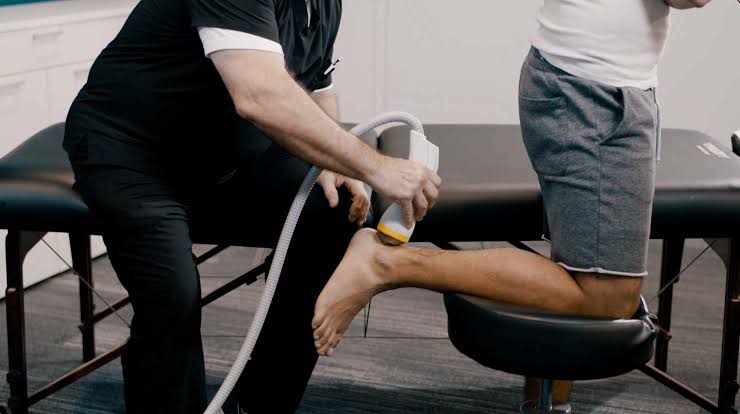
SoftWave Therapy for Sports Injuries is a non-invasive option athletes may consider for persistent tendon and soft-tissue pain. The goal is better comfort and function alongside rehabilitation—not a guaranteed shortcut to healing or clearance to return to sport.
Why Athletes Look Beyond Rest Alone
Running, surfing, golf, pickleball, and strength training all place repeated demands on muscles and tendons. When pain keeps returning after a break, simply resting longer may not address the reason an area cannot tolerate its usual workload. Athletes often want an option that helps manage symptoms while they rebuild strength and movement capacity.
SoftWave is one option to discuss after a clear diagnosis. Its appeal is a non-invasive treatment without injections or surgery, but that does not mean it suits every injury. A recent ankle sprain, an Achilles rupture, and months of elbow tendon pain need different care plans.
How SoftWave Therapy for Sports Injuries Works
SoftWave TRT delivers unfocused electrohydraulic acoustic waves through an applicator placed against the skin. It belongs to the broader category of extracorporeal shockwave therapy, or ESWT. Researchers study shockwave therapy for its effects on pain signaling and tissue responses, including circulation. These proposed mechanisms are not proof that every injured tendon heals faster.
Athletes may consider it because treatment does not require an incision, can be paired with a rehabilitation program, and may help improve pain and function in selected diagnoses. Learn about our evaluation approach on the sports injury treatment page.
What Does the Research Actually Show?
A 2024 systematic review of shockwave therapy in athletes and physically active people included 56 studies involving 1,874 participants. It found support for ESWT in selected problems, including plantar fasciitis, lateral elbow tendinopathy, and proximal hamstring tendinopathy. The review also identified situations where ESWT may help as an addition to exercise treatment. The authors called for more high-quality research to clarify its role and outcomes.
The important limitation: these studies used different devices, settings, and treatment schedules. Evidence for focused or radial shockwave equipment cannot automatically be applied to SoftWave's unfocused electrohydraulic technology. Improvements in pain or function also do not establish a shorter healing time or a reliably earlier return to competition.
An athlete's goal may be faster recovery, but no universal recovery timeline has been established for SoftWave. A responsible plan should define what progress means for your injury and reassess whether treatment is helping.
Which Sports-Related Problems May Be Considered?
Shockwave research is more developed for some persistent tendon and heel-pain problems than for fresh traumatic injuries. Depending on the diagnosis, an evaluation may consider:
- Persistent plantar heel pain that limits running or walking.
- Lateral elbow tendon pain associated with gripping or racquet sports.
- Proximal hamstring tendon pain associated with running or sitting.
- Achilles tendon pain, where the location of symptoms affects treatment choices.
Our article on SoftWave Therapy for Achilles Tendonitis explains why midportion and insertional tendon pain should not be treated as identical problems. Suspected fractures, major tears, or dislocations need appropriate medical assessment rather than routine shockwave treatment.
Rehabilitation Is Still the Foundation
Reducing pain is useful, but recovery also means restoring the ability to handle your sport's demands. The National Institute of Arthritis and Musculoskeletal and Skin Diseases' sports injury overview notes that treatment depends on the injury and that a rehabilitation program is usually recommended before resuming the activity that caused it.
- Adjust the activities that aggravate symptoms rather than pushing through injury pain.
- Follow a progressive strengthening plan matched to the affected tissue.
- Rebuild sport-specific movements, such as running, jumping, or gripping, in stages.
- Track both function and the response to activity—not just how you feel immediately after treatment.
SoftWave should complement, not replace, this process. Feeling better after a session does not prove the tissue is ready for unrestricted training. Return-to-sport decisions should reflect strength, movement control, symptoms, and the demands of the activity.
What to Expect at an Athlete's Evaluation
At SoftWave Solana Beach, discuss how the injury started, how long symptoms have lasted, recent changes in training, and any previous treatment or imaging. Your goals matter: comfortable beach walks, a pain-free golf swing, and competitive running require different levels of load tolerance.
If SoftWave is appropriate, ask about expected sensations, possible temporary soreness, activity guidance, and when progress will be reviewed. Treatment can feel like tapping or pulsing, and intensity can be adjusted. The number of sessions should depend on your evaluation and response rather than a promised recovery date.
When an Injury Needs Prompt Medical Care
Do not wait for a routine treatment appointment if you have severe pain, marked swelling or bruising, an obvious deformity, or cannot put weight on the injured area. A sudden pop followed by weakness also warrants assessment. The NIAMS guide to sports injury diagnosis and treatment describes warning signs and advises against working through injury pain.
Explore SoftWave Therapy for Sports Injuries in Solana Beach
If persistent pain is limiting your sport or workouts in Solana Beach or North County San Diego, start with an evaluation and realistic recovery goals. Our $49 new patient special includes a consultation, full evaluation, and first treatment for one area. Review SoftWave therapy pricing before deciding on ongoing care.
Frequently Asked Questions
Does SoftWave guarantee faster injury recovery?
No. Shockwave therapy may improve pain and function for some diagnoses, but SoftWave-specific evidence does not establish a guaranteed faster healing time or earlier return to sport. Results vary.
Can I keep training during treatment?
That depends on the injury and your clinician's guidance. You may need to reduce or pause aggravating activity while rebuilding capacity. Less pain after treatment is not automatic clearance to compete.
Is SoftWave a replacement for physical therapy or surgery?
No. Rehabilitation remains important, and some injuries need specialist care or surgery. SoftWave may be considered as an additional option when appropriate for your diagnosis.
Ready to find out if SoftWave can help you?
Get our $49 new patient special — consultation, exam, and a sample SoftWave treatment.