
Can SoftWave Therapy Help Neuropathy Symptoms?
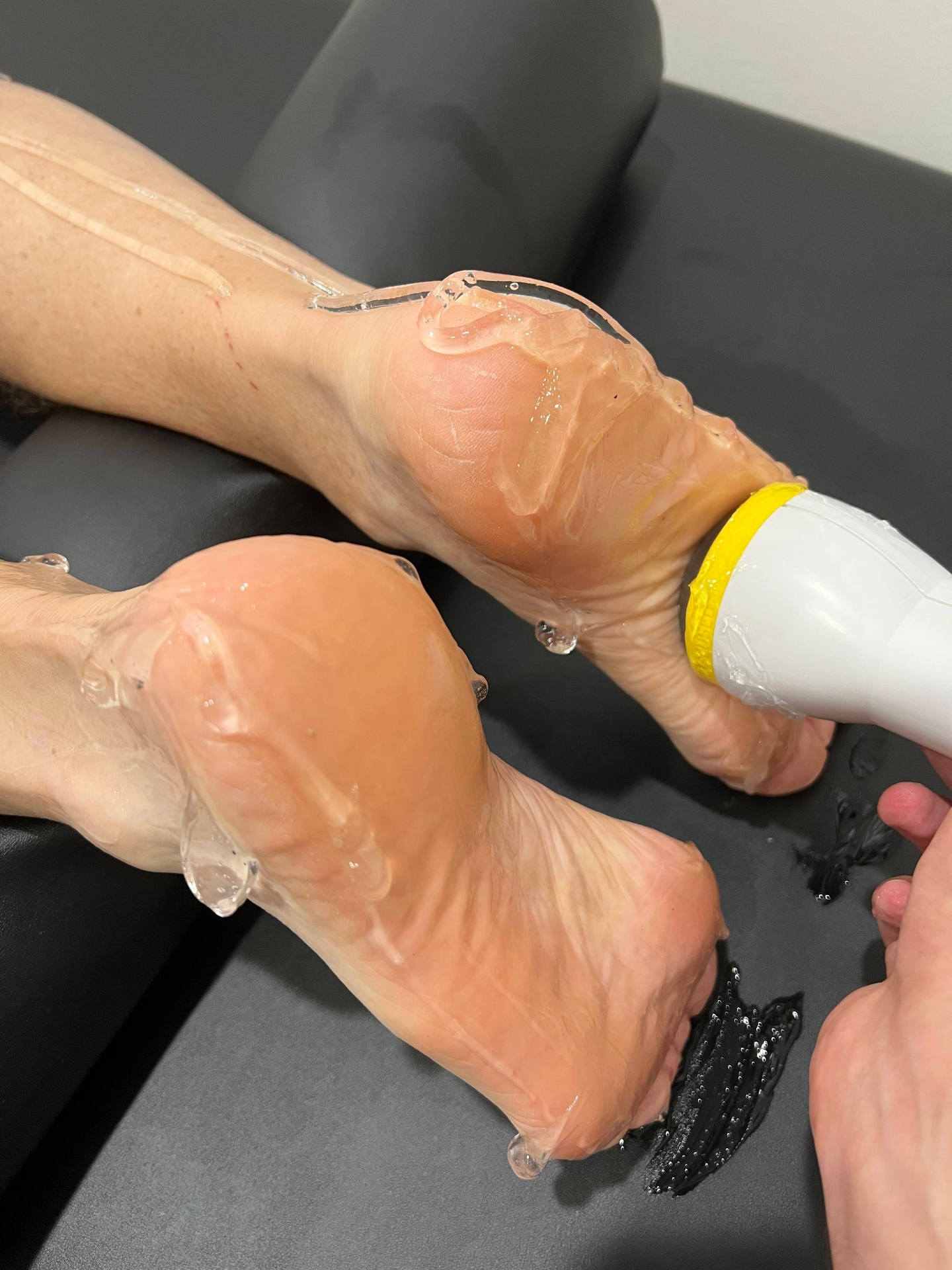
SoftWave Therapy for Neuropathy is being explored as a drug-free option for people living with numbness, tingling, or burning in the feet and hands. Early research is encouraging but limited, so it works best as one part of a plan that also manages the cause of your nerve symptoms.
What Is Neuropathy?
Peripheral neuropathy happens when nerves outside the brain and spinal cord are damaged or irritated. It often starts in the toes and feet and can later affect the hands. Diabetes is the most common cause, but neuropathy can also follow chemotherapy, vitamin deficiencies, alcohol use, injuries, infections, or autoimmune problems. Sometimes no cause is found.
The National Institute of Neurological Disorders and Stroke's peripheral neuropathy overview explains the different types of nerve damage and why symptoms vary so much from person to person.
- Numbness or a "wearing socks" feeling in the feet.
- Tingling, pins and needles, or burning pain, often worse at night.
- Sharp, electric, or stabbing sensations.
- Poor balance or feeling unsteady when walking.
- Sensitivity to touch, such as bed sheets bothering your feet.
How Does SoftWave Therapy for Neuropathy Work?
SoftWave TRT is a form of extracorporeal shockwave therapy (ESWT). It uses unfocused electrohydraulic acoustic waves delivered through an applicator held against the skin, covering a broad area such as the sole and top of the foot. Sessions are non-invasive and do not use needles or medication.
Researchers are studying several ways shockwave energy may affect irritated nerves and the tissue around them:
- Circulation: laboratory and animal studies suggest shockwaves can encourage the growth of small blood vessels, which may improve blood flow to tissue that feeds the nerves.
- Nerve signaling: some studies measure changes in how quickly and clearly nerves carry signals after treatment.
- Pain response: shockwave therapy may temporarily change how pain signals are processed in the treated area.
These are proposed mechanisms, not proof that damaged nerves will regenerate in every patient. Results seen with one device or study design cannot automatically be applied to another.
What Does the Research Say?
A 2024 systematic review and meta-analysis of shockwave therapy and nerve conduction pooled 22 clinical trials and found that ESWT improved some sensory nerve conduction measures compared with control groups. Combining shockwave with physical therapy did better than physical therapy alone. Most of the included trials studied carpal tunnel syndrome rather than diabetic neuropathy, and results varied between studies.
In short, the evidence for neuropathy is early: studies are mostly small, use different devices and settings, and follow patients for limited periods. Some people report less burning or tingling and better feeling in their feet; others notice little change. A responsible clinic will tell you that before you start.
SoftWave Works Best as Part of a Bigger Plan
Neuropathy symptoms usually improve most when the underlying cause is addressed. SoftWave is not a replacement for care from your primary doctor, neurologist, or podiatrist. The Mayo Clinic's neuropathy diagnosis and treatment guide outlines standard options such as managing blood sugar, medications, and physical therapy.
- Keep working with your physician on blood sugar or other causes of nerve damage.
- Check your feet daily for cuts, blisters, or color changes if sensation is reduced.
- Stay active with safe exercise, such as walking or balance work, as advised.
- Wear supportive, well-fitting shoes to protect numb feet.
What to Expect at a Neuropathy Evaluation
At SoftWave Solana Beach, your first visit starts with questions about when your symptoms began, where you feel them, what has been diagnosed, and what you've already tried. We check whether SoftWave is appropriate to consider and talk through realistic goals, such as less night-time burning, better sensation, or steadier walking. You can learn more on our neuropathy treatment page.
If treatment is a good fit, we explain how sessions feel, how often they're scheduled, and when your progress will be reviewed. There is no guaranteed number of sessions, and a plan should be reassessed rather than simply extended if you're not seeing meaningful change. Our earlier article on shockwave therapy for peripheral neuropathy covers more about our approach.
When to Seek Prompt Medical Care
Sudden weakness, numbness that spreads quickly, loss of bladder or bowel control, or a foot wound that isn't healing or looks infected needs prompt medical attention. Don't wait for a shockwave appointment in these situations.
SoftWave Therapy for Neuropathy in Solana Beach
If numbness, tingling, or burning in your feet or hands is affecting your sleep, walks, or balance, an evaluation can help you decide whether SoftWave is worth trying. Our $49 new patient special includes a consultation, full evaluation, and first treatment for one area. See our SoftWave therapy pricing for ongoing care costs.
Frequently Asked Questions
Does SoftWave therapy hurt if I have neuropathy?
Most people describe a tapping or pulsing sensation. Because neuropathy can change how you feel touch, tell your clinician if anything feels uncomfortable or different so the settings can be adjusted.
Can SoftWave cure neuropathy?
No treatment can promise to reverse nerve damage. SoftWave may help some people with symptoms, but results vary and research is still developing.
Is SoftWave covered by insurance for neuropathy?
SoftWave is a cash-based service and usually isn't covered by insurance. Many patients use HSA or FSA funds, and you'll know the cost before you start any plan.
Ready to find out if SoftWave can help you?
Get our $49 new patient special — consultation, exam, and a sample SoftWave treatment.