
Pain After Shockwave Therapy: Soreness, Flare-Ups, and When to Seek Help
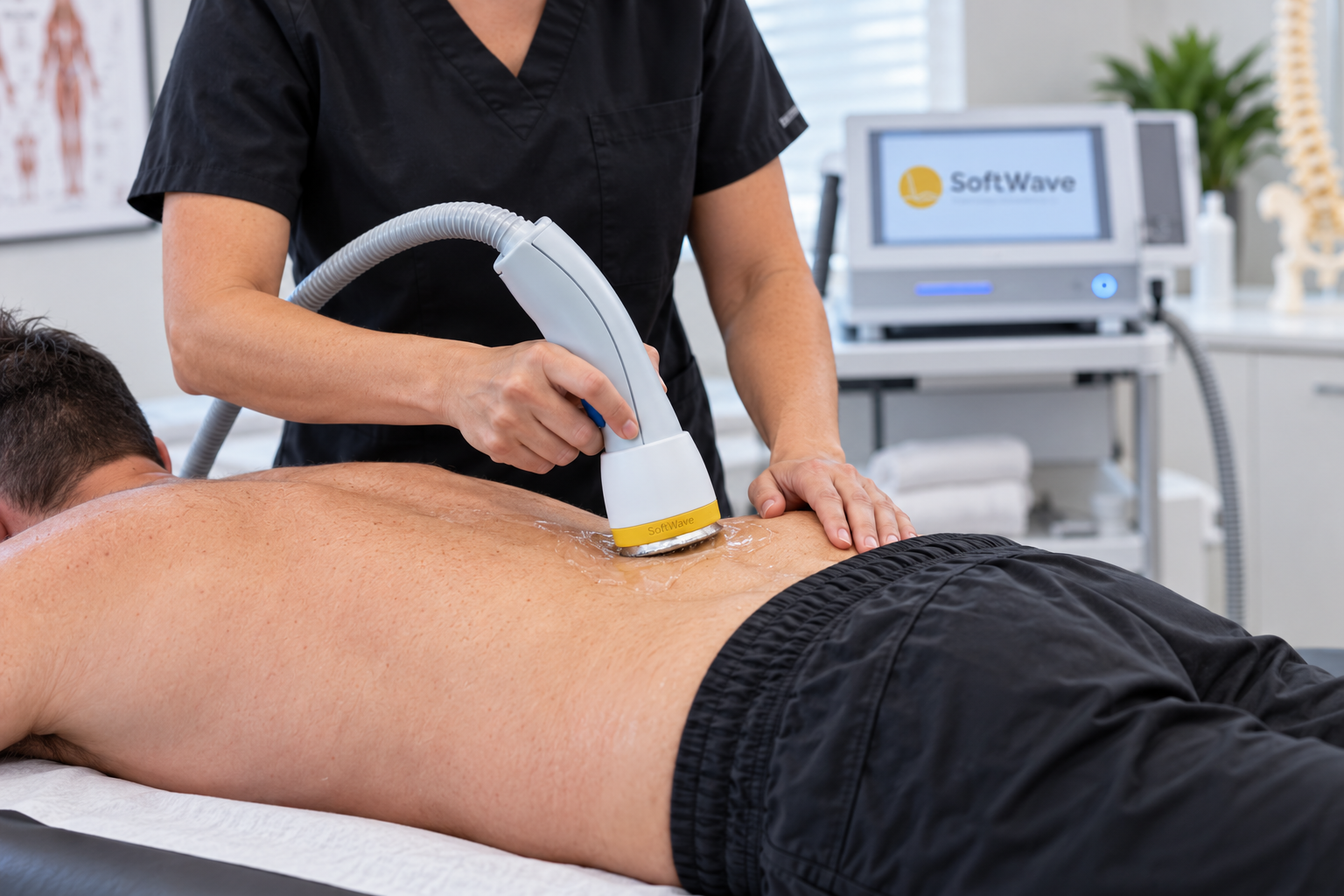
Some soreness after a session is common, but worsening pain, new pain locations, or trouble walking deserve a call to your clinician — not another session booked automatically.
Short answer: mild soreness or tenderness for a day or two after a session is commonly reported. Pain that keeps getting worse, appears in a new location, or makes walking or using the limb difficult is not something to push through — contact your treating clinic so it can be assessed.
Pain does not prove healing, and it doesn't prove harm either. It is information your clinician needs.
Effects Commonly Reported After Treatment
- Mild soreness or tenderness over the treated area
- Temporary redness or warmth of the skin
- Occasional minor bruising
Reviews of shockwave therapy describe these as the most common, typically temporary effects — see research on PubMed.
Changes Worth Reporting
- Soreness that lasts longer than a few days or keeps increasing
- Pain in a new location
- Swelling, numbness, or tingling that wasn't there before
- Pain that changes how you walk or use the arm
Sudden Pain or Loss of Function
A sudden pop, sharp pain, inability to bear weight, or significant swelling should be evaluated promptly by a medical provider. The Mayo Clinic lists these as warning signs of tendon injury that need urgent care. For severe or emergency symptoms, call 911.
How Treatment Plans Are Reconsidered
If symptoms worsen, your clinician may pause treatment, lower intensity, re-examine the diagnosis, or refer you for imaging or another opinion. Continuing the same plan without reassessment isn't the right default.
For more on safety, read Is SoftWave Therapy Safe?. The NIH MedlinePlus page on tendon pain also covers general self-care and warning signs.
If you're a current patient with worsening symptoms, contact our office so we can assess you.
Ready to find out if SoftWave can help you?
Get our $49 new patient special — consultation, exam, and a sample SoftWave treatment.