
Does Shockwave Therapy Hurt? What to Expect During a Session
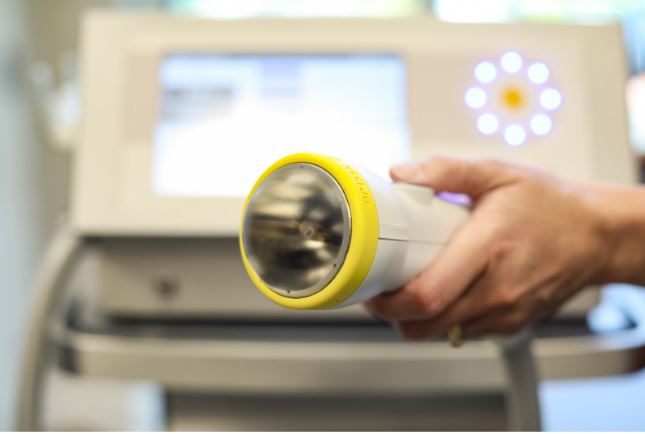
Most people feel a strong tapping sensation, and some areas are more sensitive than others. Here's what a session feels like and how your provider adjusts for comfort.
Short answer: most patients describe SoftWave as a firm tapping or thumping sensation. Sensitive, irritated areas can feel uncomfortable, especially early on, but you should never have to grit your teeth through severe pain. Intensity can be adjusted, and you should speak up.
Sensations During Treatment
- A rhythmic tapping or pulsing over the treated area
- Brief sharper spots where tissue is most irritated
- Warmth or tingling for a short while afterward
Sessions typically take about 10–15 minutes and don't require anesthesia. Read more in our guide to whether shockwave therapy is painful.
Why Experiences Differ
Comfort depends on the area treated (a heel or elbow is often more sensitive than a thigh), how irritated the tissue is, the energy setting, and individual pain sensitivity. Studies of shockwave therapy report discomfort during treatment as a common, usually short-lived effect — see research on PubMed.
How We Respond to Discomfort
Your provider will check in during treatment and can lower intensity, change the applicator position, or pause. Feeling more pain does not mean the treatment is working better.
Questions to Ask Before Your First Session
- What will the treatment feel like for my area?
- How will you adjust it if it's too uncomfortable?
- What's normal to feel afterward, and when should I call?
The Cleveland Clinic and Mayo Clinic both describe shockwave therapy as a non-invasive option, generally with mild, temporary side effects.
See our safety and side effects article, or contact us to ask how sessions are adjusted.
Ready to find out if SoftWave can help you?
Get our $49 new patient special — consultation, exam, and a sample SoftWave treatment.