
Shockwave Therapy vs PRP for Persistent Plantar Fasciitis
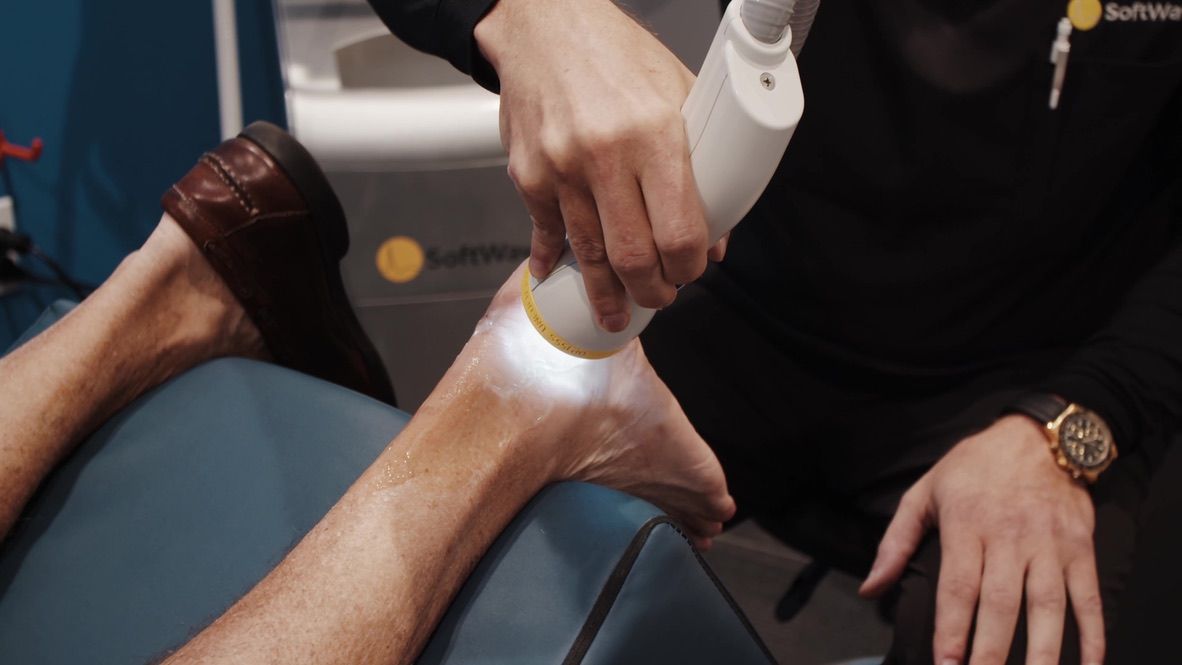
Both shockwave and platelet-rich plasma are used when heel pain won't quit. Here's how they compare and what to ask before choosing.
Short answer: shockwave therapy is non-invasive and delivered over several sessions; PRP is an injection of your own concentrated platelets, usually given once or a few times. Both have research for chronic plantar fasciitis, head-to-head evidence is limited, and costs and recovery differ.
How They Differ
- Shockwave: no needles, no downtime, multiple short sessions
- PRP: blood draw and injection, possible post-injection soreness and activity limits
The AAOS explains how PRP is prepared and where evidence is still developing.
What the Evidence Shows
Comparisons have been published — search PubMed for current trials. Findings vary with protocol and follow-up length.
Questions to Ask
- What's the evidence for my diagnosis and duration of symptoms?
- What's the total cost and expected recovery time?
- What happens if it doesn't help?
The Mayo Clinic also overviews PRP risks.
See our plantar fasciitis page and cost page. Contact us with questions.
Ready to find out if SoftWave can help you?
Get our $49 new patient special — consultation, exam, and a sample SoftWave treatment.