
Shockwave Therapy vs Cortisone Injections for Plantar Fasciitis
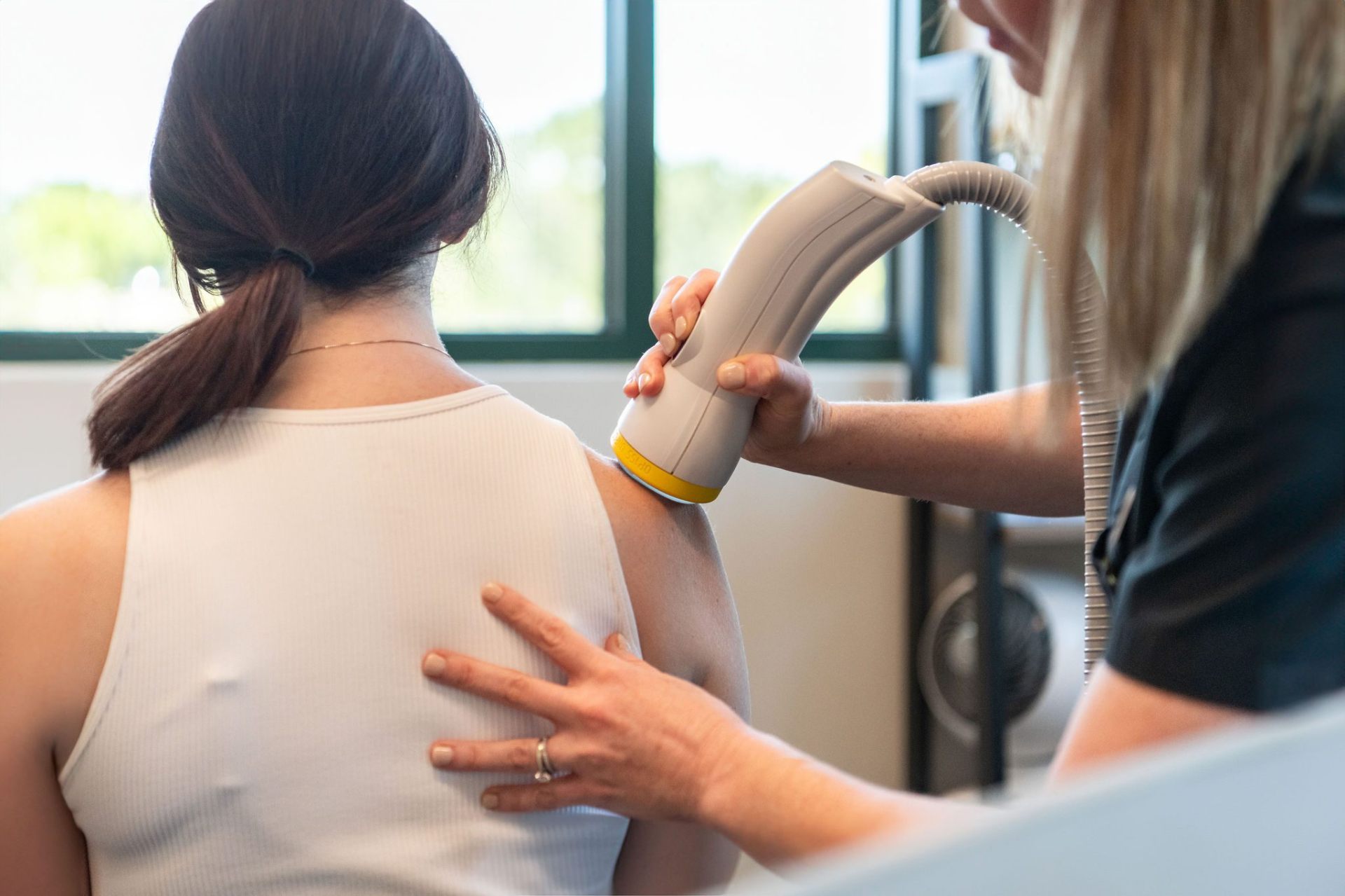
Cortisone often brings faster short-term relief; shockwave aims at longer-term change without needles. Here's how they compare for plantar fasciitis.
Short answer: cortisone injections often relieve plantar fasciitis pain quickly but may wear off, and repeated injections carry risks such as fat pad thinning or fascia rupture. Shockwave therapy is non-invasive and has research supporting longer-term benefit for chronic cases, though it usually takes longer to work. Neither works for everyone.
How Each Works
Cortisone is an anti-inflammatory steroid injected near the fascia. Shockwave therapy delivers acoustic energy to the tissue to stimulate a healing response.
What Research Shows
Comparative trials and meta-analyses have examined both — see PubMed. Results differ by follow-up time and protocol.
Risks and Downsides
The Mayo Clinic notes that multiple steroid injections can weaken the plantar fascia. Shockwave side effects are typically temporary soreness, redness, or bruising.
Which Is Right for You?
It depends on how long you've had symptoms, your activity goals, and your comfort with injections. The AAOS describes both as options in stepwise care.
Read our broader SoftWave vs. cortisone comparison and our plantar fasciitis page.
Book an evaluation to compare options for your heel.
Ready to find out if SoftWave can help you?
Get our $49 new patient special — consultation, exam, and a sample SoftWave treatment.