
Persistent Heel Pain After Physical Therapy: Is Shockwave the Next Step?
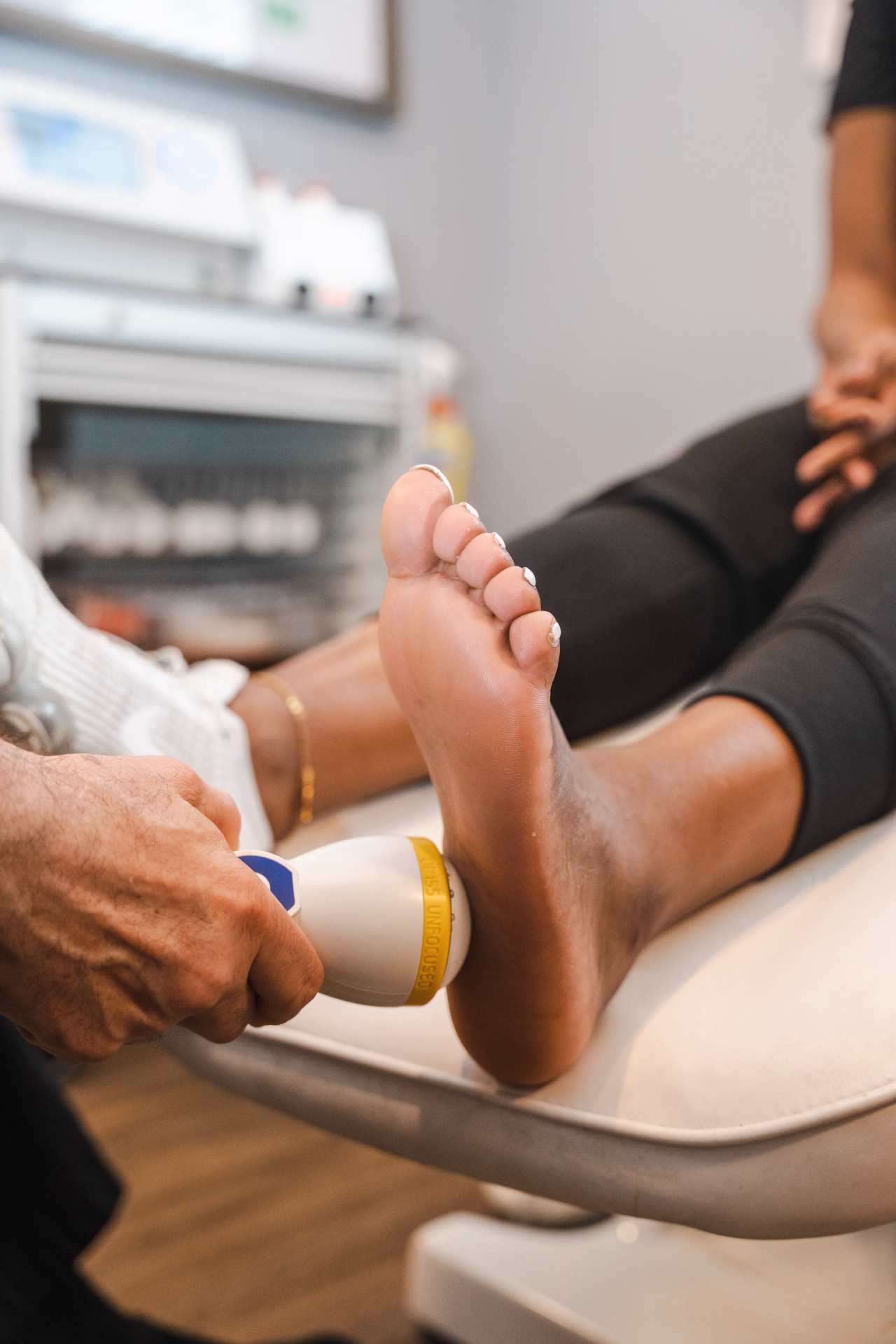
If heel pain persists after months of conservative care, it's time to review the diagnosis and rehab plan — and consider whether shockwave fits.
Short answer: shockwave therapy may be a reasonable next step for heel pain that persists after several months of good conservative care — but first, review the diagnosis, the rehab program, footwear, and workload. Often the best results come from combining shockwave with continued strengthening.
Review the Diagnosis
Heel pain that doesn't respond as expected deserves a second look. Nerve irritation, stress fractures, and other conditions can mimic plantar fasciitis. The Cleveland Clinic lists common causes.
Review the Rehab Dose
Was the program progressive? Calf and foot strengthening that gradually increases load is often part of successful care. Research on high-load strength training for plantar fasciitis is available on PubMed.
Review Footwear and Workload
Long shifts standing, a new running plan, or worn-out shoes can keep tissue irritated.
Where Shockwave Fits
The AAOS describes shockwave therapy as an option for persistent cases. At our clinic it's usually combined with your home exercise program, not a replacement for it.
See our plantar fasciitis page and Do You Still Need Physical Therapy With Shockwave Treatment?.
Book an evaluation to talk through what you've tried.
Ready to find out if SoftWave can help you?
Get our $49 new patient special — consultation, exam, and a sample SoftWave treatment.